Causes Of TMJ Disorders

You have two temporomandibular joints, one on either side of your jaw. It is especially important for these to be symmetrical so that one is not overworking or being strained.
Common causes of a TMJ disorder include:
- Misaligned teeth
- Physical injury
- Genetics
- Arthritis
- Genetics
- Emotional stress
- Connective tissue disease
A treatment for TMJ that is becoming increasingly popular due to its outstanding success is through Xeomin injections. Xeomin is remarkably similar to BOTOX®, except that it has no additives, only containing botulinum toxin type A, which is responsible for blocking the nerve signals to the muscle in which it was injected. Without a signal, the muscle is unable to contract.
Since BOTOX® contains additives, it can diffuse into other muscles. Xeomin doesn't contain additives, making it ideal for injections in the TMJ. An injection of Xeomin into the muscle relaxes it and reduces jaw tension. This will reduce the strain on your TMJ, alleviating jaw pain. If you have a habit of grinding or clenching your teeth, having less tension in your jaw may even help resolve that problem for you as well.
BOTOX and Xeomin for TMD
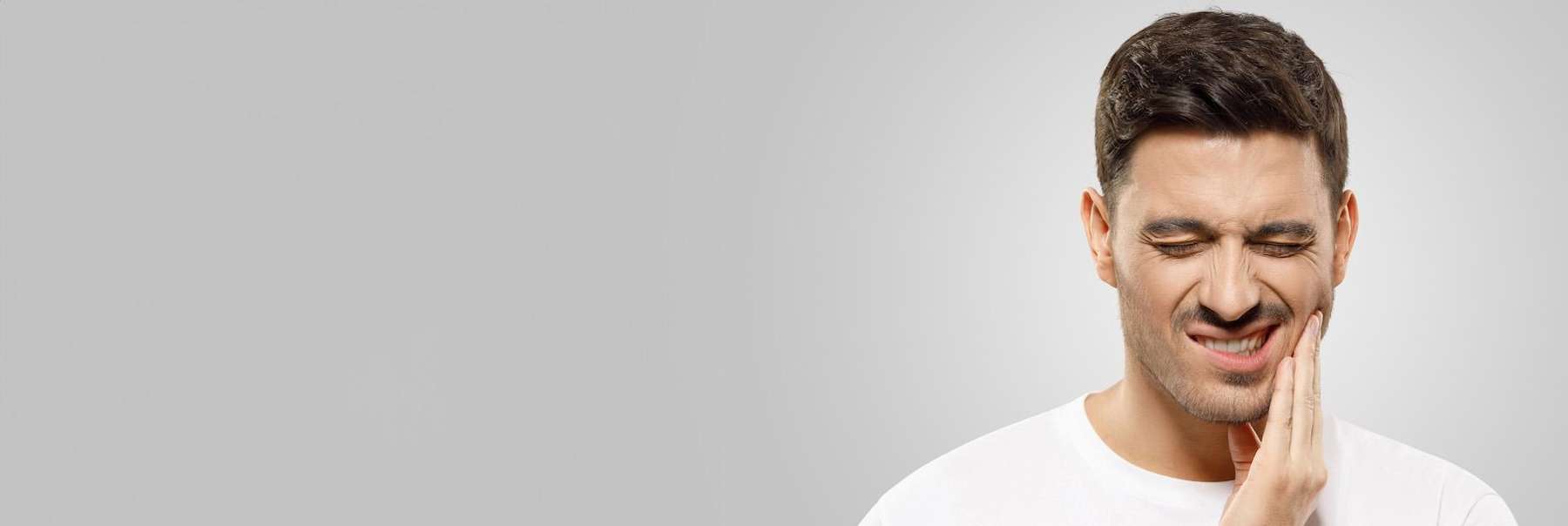
TMD, sometimes called "TMJ" colloquially, is a disorder that affects the temporomandibular joint. This joint is the "hinge" that controls the movement of the jaw. Move your jaw from front to back to side—that’s your temporomandibular joint at work. TMD impacts many parts of this system, including joints, muscles, and ligaments. A consultation with Dr. Leonardi is the first step in determining if BOTOX or Xeomin are right for your specific needs.



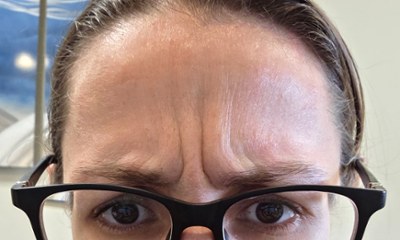
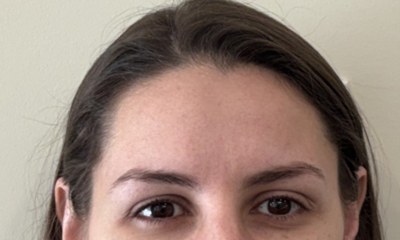
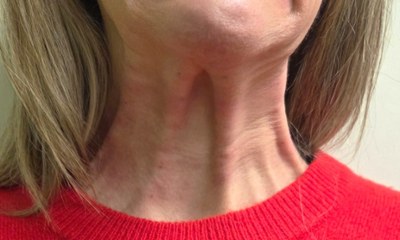
 Treatment for TMJ or cosmetic enhancements with BOTOX or Xeomin is non-surgical and is performed by Dr Leonardi in our office. Each session is quick, only lasting 10-15 minutes, and involves 1-2 injections on each side of your jaw.